Books We Keep Coming Back to as Freelance Editors
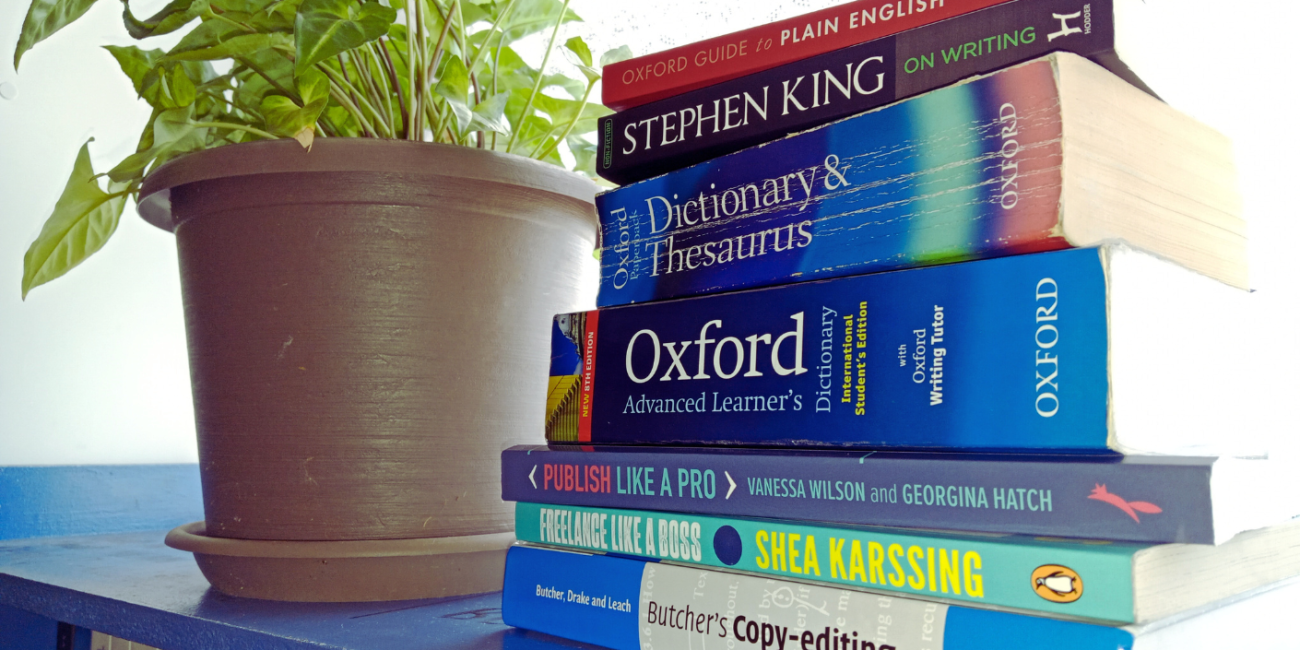
When we first started freelance editing, we clung to books like a lifeline. At times, client work, impostor syndrome, and figuring out how to send an invoice without breaking a sweat became just a little overwhelming. Books were where we turned for reassurance and actual answers. Years later, we still reach for the same titles when we need to reset or just feel like someone out there gets it.

This isn’t a definitive “best books” list. It’s not ranked. It’s not comprehensive. But it is personal. These are the books that have genuinely helped us grow as editors and freelancers – and the ones we still keep within arm’s reach of our desks. If you’re looking to build your freelance editing toolkit, we hope this gives you a good place to start.

And yes. We’ll keep adding to the list as we discover new gems.

Why Books Still Matter

(Even in the Age of AI and Blogs)

We now have endless how-to articles, webinars, YouTube tutorials, and AI-powered tools. But there’s something about a book that just hits differently. Books offer depth. They give you the time and space to really sit with an idea, rather than skimming and forgetting it five minutes later. When you’re freelancing and constantly context-switching, that kind of deeper learning is so valuable.

Editing is a craft. Freelancing is a business. Neither comes with a manual – but good books get pretty close. It can be a grammar guide that finally makes something click or a freelancing book that helps you price your services with less guilt. The right book can quietly shape how you work, how you think, and how you show up for your clients.

The Best Books for Freelance Editors

(…According to Us)

 On Writing

A Memoir of the Craft

Stephen King

This was one of the first books that made us feel like writers and, by extension, better editors. Part memoir, part masterclass, On Writing is filled with practical advice wrapped in personal anecdotes.

King’s voice is conversational but razor-sharp, and even though he’s talking about fiction, so much of what he says applies to all writing. Plus, you don’t have to be a horror nerd to get it. All writers and editors are welcome.

The “toolbox” analogy is especially great for editors. He covers vocabulary, grammar, and style in a way that’s no-nonsense but still engaging.

We’ve revisited this book many times when we need a reminder of why words matter (and why adverbs usually don’t).

“At its most basic we are only discussing a learned skill, but do we not agree that sometimes the most basic skills can create things far beyond our expectations?
We are talking about tools and carpentry, about words and style … but as we move along, you’d do well to remember that we are also talking about magic.”

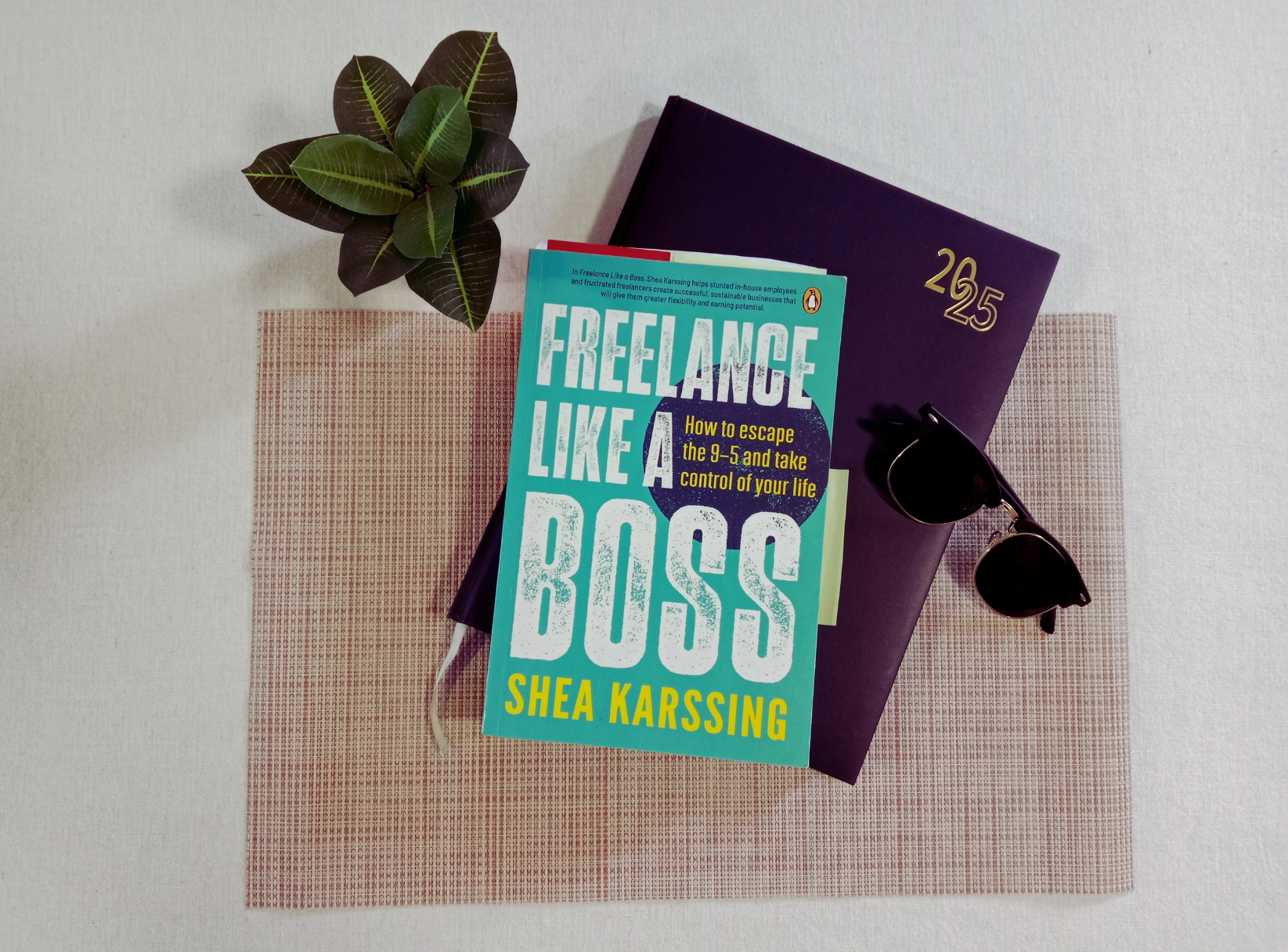
 Freelance Like a Boss

How to Escape the 9-5 and Take Control of Your Life

Shea Karssing

We read Freelance Like a Boss when we were still figuring out the business side of freelancing. The confusion of registering a business and tax (insert frustrated sigh and quiet crying here). Putting financial back-ups in place.

It felt like someone had handed us a torch and said, “Here, you don’t have to fumble in the dark anymore.”

Shea writes with clarity and a bit of humour, covering everything from mindset to marketing to setting boundaries with clients. It’s not editing-specific, but it’s incredibly relevant to freelance editors who are trying to balance creativity with running a business. We’ve dog-eared so many pages and still dip into it when we need a bit of a reset or motivation boost.

“Do great work, and clients will come. Do even better work, and charge more for it.”

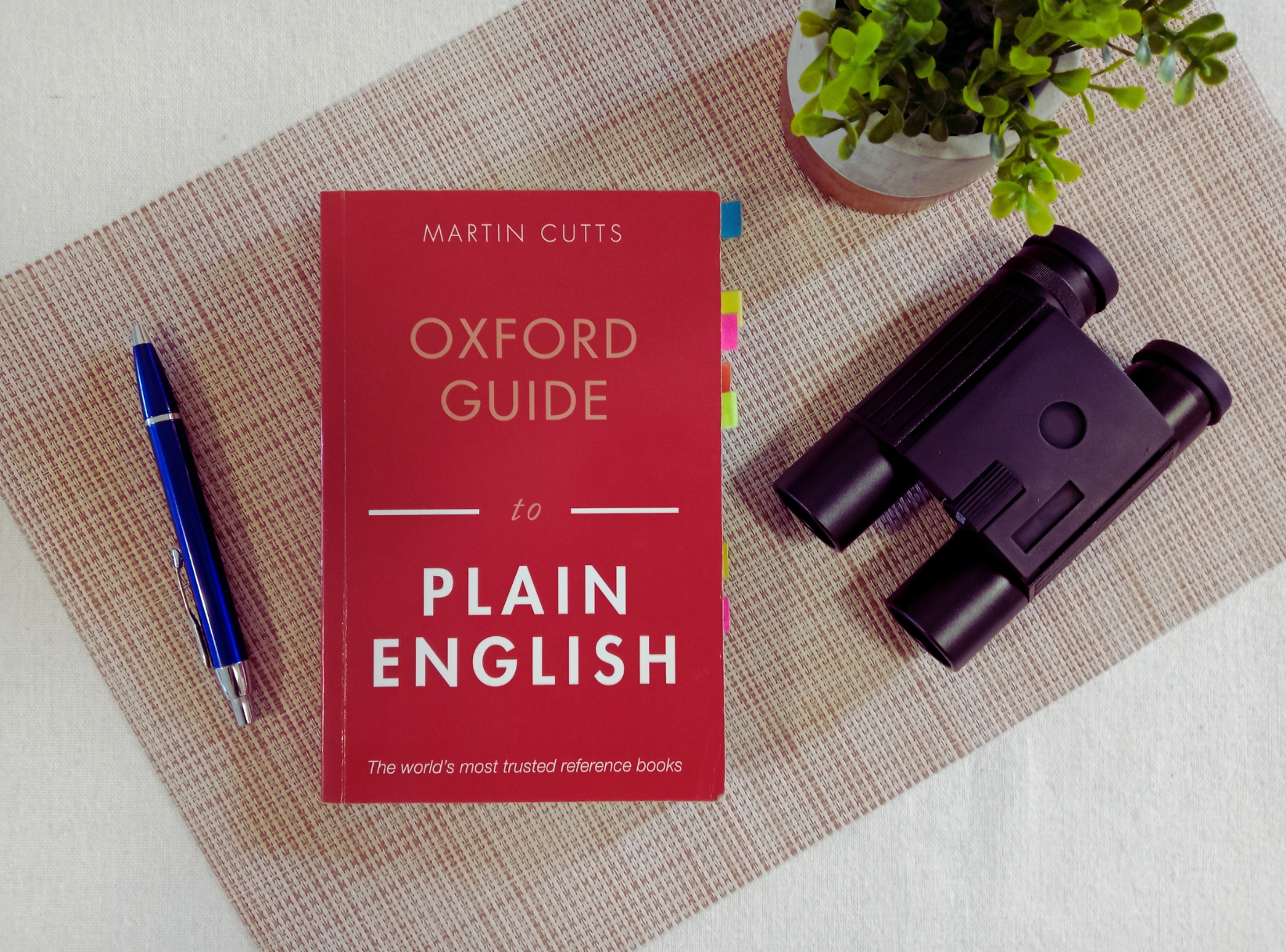
 Oxford Guide to Plain English

Martin Cutts

This one’s a lifesaver for anyone working with non-fiction, business writing, or any content that needs to be clear above all else (legal docs, insurance policies, instructions, signs, etc). Cutts makes the case (he might not appreciate the cliché) for plain English in a practical and persuasive way, without being preachy.

It’s full of examples, helpful lists and tables for quick reference, and actionable suggestions that you can apply to your editing straight away.

We reach for the Oxford Guide to Plain English whenever we’re helping a client declutter their copy or when we need a reminder that simplicity isn’t the same as dumbing down. And it’s not just for documents or reports.

Cutts also applies plain English to emails and online copy. So, if you ever need to explain to a client why jargon or long-windedness isn’t helping their message – this is your salvation.

“Plain English, [Arthur Quiller-Couch] said, was the difference between
‘He was conveyed to his place of residence in an intoxicated condition’, and
‘He was carried home drunk’.”

 Butcher’s Copy-Editing

 The Cambridge Handbook for Editors, Copy-Editors, and Proofreaders

Judith Butcher, Caroline Drake, and Maureen Leach

If editing had a bible, this might be it. Butcher’s Copy-Editing is comprehensive, technical, and incredibly useful when you’re deep in the weeds of a manuscript or report. It covers everything from editorial symbols to house styles.

It leans more towards traditional publishing, but the fourth edition’s preface states that the book “addresses a new generation of copy-editors, most of whom now work freelance and for more than one publisher”. Naturally, that makes our hearts soar.

It’s not a book we read cover to cover. It’s more of a go-to reference when we’re second-guessing something (hello, abbreviation lists and dialogue punctuation) or trying to explain a tricky style choice.

It’s dense, yes, but solid gold for anyone who wants to edit with precision and professionalism.

“The copy-editor is the reader’s advocate and the author’s ambassador, and in this electronic age has a more pivotal role than ever before in guiding [content] through the complexities of the production process.”

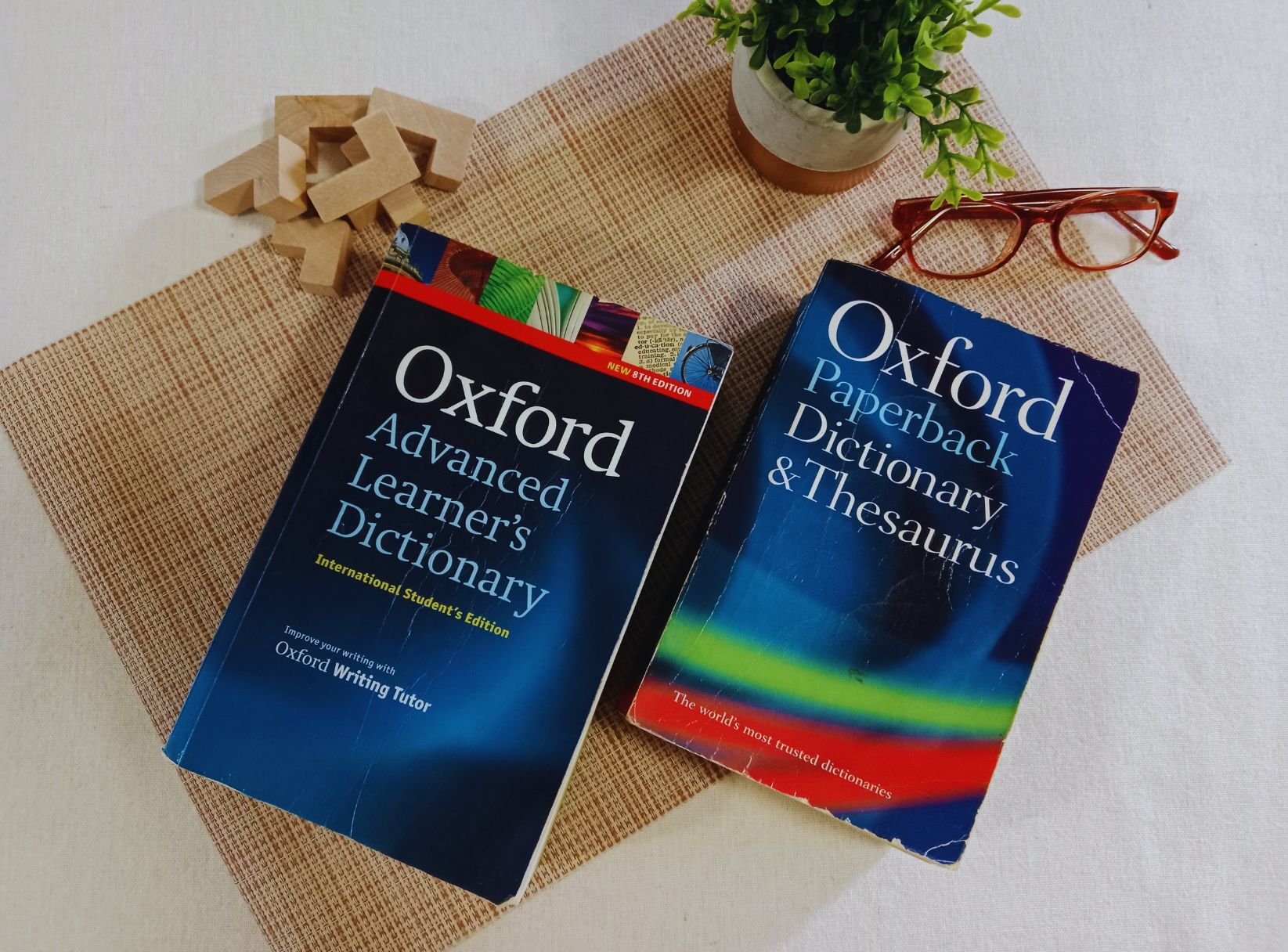
Oxford Dictionary and Thesaurus


Oxford English Dictionaries may not be glamorous, but they’re absolutely essential. We keep physical copies on our desks and use online versions, but there’s something satisfying about flipping through pages when we’re stuck on a word.

Nerdy book ASMR anyone?

No?

We use dictionaries to check for variant spellings (especially when switching between UK and US English), but also to make sure we’re using nuances and tones correctly. A person can be angry, but also shirty (UK), ticked off (US), or snaky (AUS).

The point is, we don’t want text to sound like it’s been lifted from a bad AI output.

“[…] of all the knowledge and skills which a language learner must master, the most important element, and the one involving the heaviest learning load, is an adequate working vocabulary.”

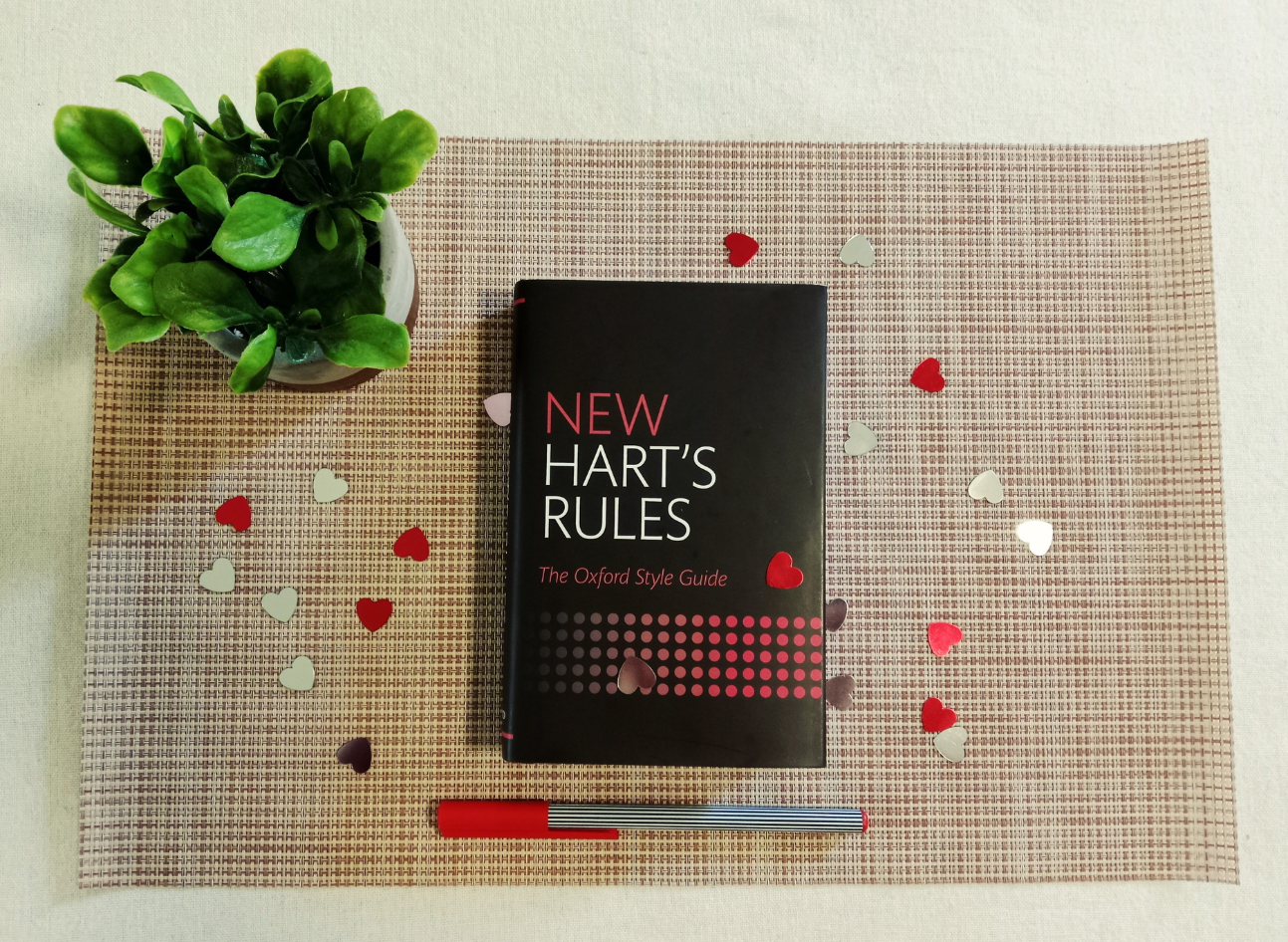
New Hart’s Rules

The Oxford Style Guide

A surprisingly small book to carry so much information (and such a solid reputation). We first became aware of New Hart’s Rules because the editors in one of the associations we belong to kept quoting it. So, we had to get a copy to see what the fuss is about. Turns out, it’s 100% warranted.

New Hart’s Rules distils decades of publishing wisdom into a clear, structured guide that’s as useful to a new freelancer as it is to a seasoned editor. It covers the essentials (capitalisation, spelling, punctuation, numbers, and references), but also explains the why behind them, which makes it easier to apply the rules across different projects.

It’s also a great confidence booster when a client questions your choice. Need to explain why you hyphenated that compound or used an en dash instead of a hyphen? New Hart’s Rules has your back. 

The book is part of a three-set: New Oxford Dictionary for Writers & Editors and New Oxford Spelling Dictionary. All three are developed to use with Oxford dictionaries and also complement Butcher’s Copy-Editing. Could this list fit together any better?

“Authors, including self-publishers, copy-editors, proofreaders, designers, typesetters, and anyone working on ebooks, websites, and other digital products, newspapers, magazines, reports, or theses will find here the advice they need on the language and presentation of their text.”

  Publish Like a Pro

The Complete Guide to Successful and Profitable Self-Publishing

Vanessa Wilson and Georgina Hatch

This one is a newer addition to our shelves, but it’s already earned its place. Publish Like a Pro is aimed at authors, but since we come from a publishing background, we feel it’s important for editors to understand their role in the publishing process.

That kind of insight can help us deliver better editing services and reduce unnecessary back-and-forth. This applies whether you’re trying to expand your publisher client base or if you’re working with indie authors who might need extra guidance.

Wilson and Hatch cover the whole ride: planning, editing, copyright, design, production, sales, marketing, and everything in between. And they do it in a way that’s friendly, clear, and genuinely encouraging.

We’ve recommended this to clients, but we also learned a lot ourselves, particularly about how to support authors through the publishing process without overstepping our role as editors.

“There’s not an award-winning or bestselling author on the planet whose books don’t undergo professional editing and proofreading. It’s par for the course in traditional publishing.”

The Best Books
for Freelance Editors Don’t Age

Freelancing can feel a bit like assembling a plane mid-flight, especially when you’re also trying to be a skilled editor, a confident business owner, and a functioning human all at once. These books have helped us build our editing skills and the mindset and structure we need to do this work well (and stay sane).

Some have broken spines or are full of notes. Others we dip into when we hit a wall or need to feel grounded again. And as the industry shifts – as AI tools grow, as more people self-publish, as editing continues to progress – we find ourselves returning to these books for their insight and sheer usefulness.

We’ll keep adding to this list as we go, because learning doesn’t stop once you’ve “gone freelance”. In fact, that’s usually when it starts to matter most.

Blue Leaf Team

The Blue Leaf Editing team has over 15 years of combined editing, publishing, and book industry experience. We’re passionate about content and storytelling, and sharing our knowledge with others.