The Editor’s Dilemma: Navigating the Fine Line Between Editing vs Rewriting

The process of editing a text—be it fictional, non-fictional, or academic—often holds a rewarding, creative journey in store. Rewarding, yes, but also highly challenging. If you’ve ever been met by content that beckons you to salvage it but also politely asks you not to make it your own, you understand the predicament.
That is the classic editor’s dilemma, the fine line between your role to uplift a piece of writing while still balancing editing with the author’s voice. It’s a hard one, but it’s essential to nurture another author’s writing when accepting the responsibility.
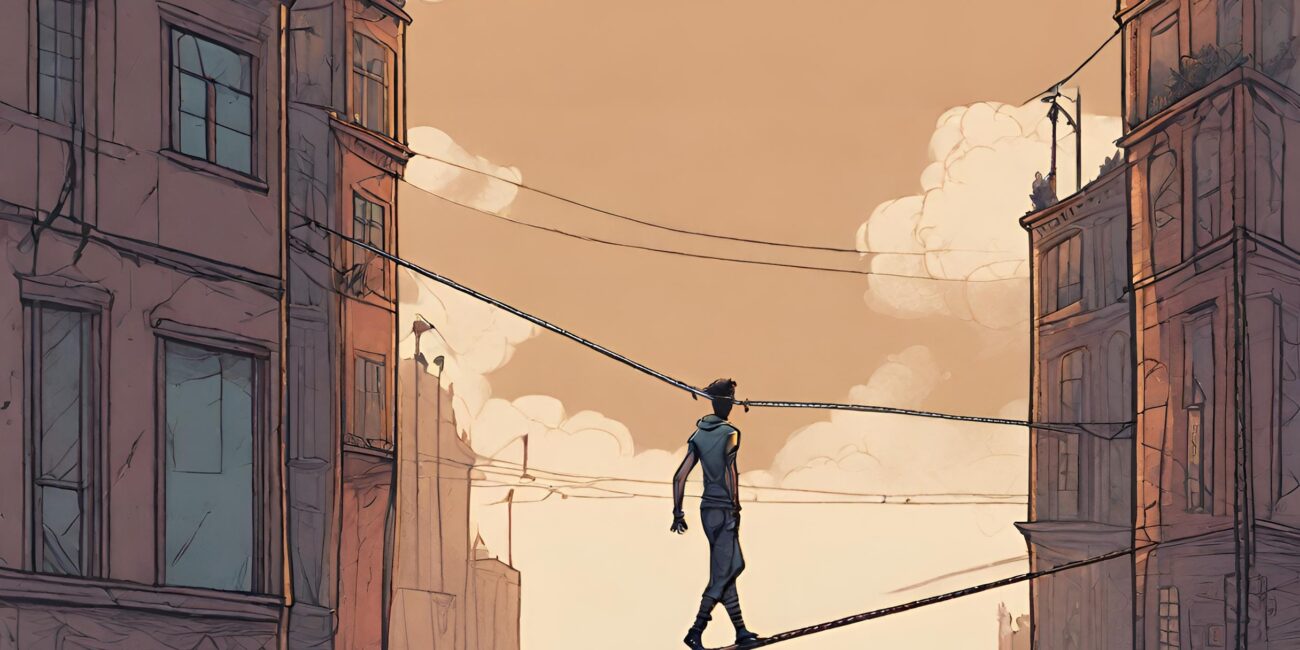
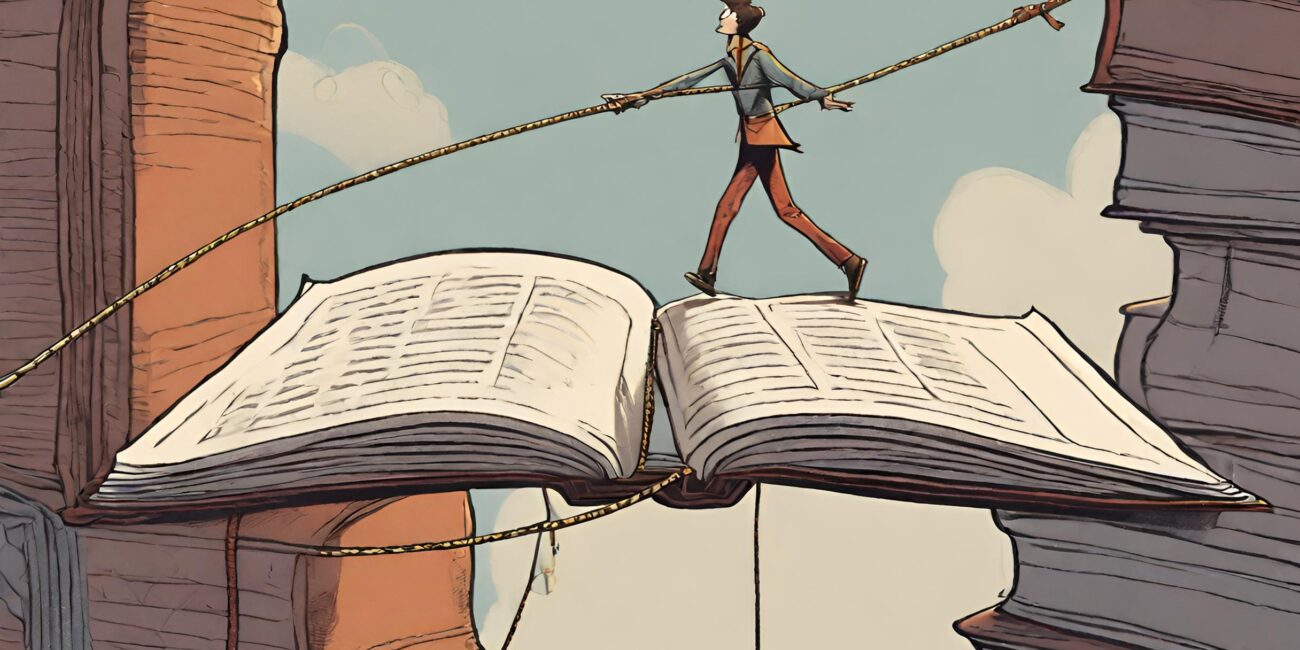
Luckily, the key to walking that tightrope of editing vs rewriting is quite simple—put your personal literary desires aside, focus on enhancing clarity through your skills, and work collaboratively with the author to produce great written work.
Table of Contents
Understanding the Difference Between Rewriting and Editing
Editing and rewriting are two sides of the same coin, which is why they’re so easily confused, especially once you’re in the zone and the document is already halfway edited (or was that a rewrite?). We can summarise the process of producing a text from start to finish as follows: planning, writing, rewriting, editing, and proofreading.
The simplest way to approach editing vs rewriting is to view rewriting as the next phase of the writing process after producing the basic content. Rewriting takes the rough draft (or sometimes even just notes and research) and reworks it.
This is then handed over to the editor, who will compile it into a well-formed text with something to say. This can include improving grammar and cohesion and making sure the format is up to scratch for the text’s intended purpose.
Editing vs Rewriting in Action
Let’s look at an example. Say a postgraduate student is writing a weekly ‘field guide to mushrooms in the Western Cape’ piece for a magazine. They’ve written down all the information they want to communicate, but now it needs to be translated to a more editorial context that the layperson can enjoy. To achieve this, a basic edit won’t be sufficient. Instead, the text needs to be rewritten in a new tone with a different style.
Editing and rewriting are not the same. A rewrite is the author’s responsibility as it’s their work and their name on it. If you’re an editor who also writes, then you should amend your quote to reflect this additional service.
Once the draft has been rewritten, the editing process finally becomes necessary. After the rewrite, you have more than a skeleton—you have quite a fleshy body that needs some moulding and shaping before it gets its final polish. This is where rewriting ends and editing begins.
Clarity vs Creativity in Editing
So, how do you prioritise clarity vs creativity in editing? You ideally want to achieve both with your work. However, clarity takes priority at this stage. Creativity is generally achieved by the end of the rewriting process, but when the text steps into the editing zone, the goal is to take all the knowledge, creativity, and ideas and package it into a well-structured piece.
This includes refining sentence structure, correcting spelling errors, and ensuring flawless grammatical accuracy.
Different types of editorial changes provide different levels of clarity for reader comprehension. Minor edits to textual aspects like grammar and word choice can make for a smoother read, while structural edits in terms of formatting and grouping make the information easier to understand.
Content changes can improve the message of the text. Each aspect of the text affects whether or not the reader will grasp and engage with it (which is the goal here), so everything from content to structure is key for clarity.
The simplest way to check whether you’ve got the clarity vs creativity balance down is to ask core QA questions. From the beginning of the process to the last ‘save’ of the document, consider:
- What is the purpose of this text? (Is it a short story that requires a high level of creativity, or is it an academic paper that puts clarity and understanding first?)
- Who is the audience of the text? (Are they an artist who can appreciate more metaphorical language, or are they accountants who need a simpler structure to comprehend technical information?)
- Will the creative elements of the text sacrifice clarity?
- Does the text need more creativity or clarity to meet its goals?
- How can I improve what I have been given, rather than add new elements, to help meet the text’s goals?
Rewriting for Specific Audiences
The hard truth about writing and editing in most cases is that the content is not about you. It’s about the audience. As soon as you can separate yourself in that sense, your writing will be much better for it.
Although rewriting can offer the luxury of creative license to rephrase the content as you see fit, the reader must still be at the forefront of every paragraph. Rewriting for specific audiences means putting yourself in your reader’s shoes and choosing the best content, style, and tone.
For example, if you’re rewriting for a professional audience, you need a formal tone with appropriate business language.
If you’re rewriting for an adolescent audience, you need a simple and clear style, friendly tone, and appropriate language and content for their experience and understanding.
It always comes back to who you’re talking to, how much they know, and how you can best communicate with them.
Identifying When Editing Becomes Rewriting
Here’s the big snag: how do you recognise if your editing has crossed over into rewriting? It’s an editing pitfall we’ve all stepped into before. Simply put, it begins and ends with referencing the original text throughout the process.
Keeping with the Content
When you check in with the original text, is the content of the same nature? You want to ensure the text’s original information and message is still clearly present in the edited version, even if you disagree with it.
For example, if the piece is strictly oriented around the top 5 film genres of the 20th century, but you’ve created a version that adds or removes some of these films, you’re heading to the rewriting side of this scale.
All About the Tone
Make sure the original and edited texts approach the audience in similar ways. If the original text speaks casually to its audience, but you’ve made it much more formal (without being requested to do so), you might be veering towards a rewrite.
Unless explicitly requested, your draft shouldn’t read like a far-removed conversation compared to the original text. The two versions need to mirror each other closely as you implement edits.
Look Who’s Talking
After an edit, despite all the work you’ve put into the text, it still has to be the author’s work.
It isn’t your voice speaking here, so if you compare the original text and can hear all your thoughts and opinions filtering through, your edits have likely become a rewrite.
You’ll want to go back to the beginning and consider elements like purpose, author, and reader.
Balancing Editing With the Author’s Voice
The author-editor relationship is sometimes equally as tricky as the editing vs rewriting dilemma. But it doesn’t have to be. This relationship is highly collaborative, which means the only way to succeed is to work with the author rather than against them.
Your job as an editor is to be the guide to better writing, and this requires preserving the author’s intent for the text, maintaining their voice, and ensuring the text is as flawless and effective as possible.
That’s not to say the author’s work shouldn’t be changed or you can’t make suggestions. What it does mean, though, is that the editing journey needs to consider the author’s work and bear in mind that although you’re tasked with editing this text, it’s not yours.
You’ll find that different writers have different tolerance levels to changes made in their work. Some might appreciate drastic edits, while others will prefer slight tweaks. The only way to navigate this is by communicating with the author, determining their intentions for the process, and putting your skills to work accordingly.
By the time your job is done, you want to hand over a text that has been refined but still stands as the author’s work. Keep the conversation with the author open and transparent.
Be open to explaining your changes and undoing them if they aren’t essential. If there’s resistance to a necessary change, be understanding and emphasise the importance of producing quality work. Finally, always be mindful of how you give editing feedback. It’s never easy having your work critiqued and edited, so go forth gently.
Walking the Editing vs Rewriting Tightrope
That fine line we mentioned earlier should start to look a bit bolder now. In any genre of writing, editing vs rewriting is essential as it determines the outcome of the final draft. Since success lies in balancing the author’s work with your knowledge and skill, you can conquer this challenge through collaboration and communication.
If you start the editor-author journey with clarity and understanding, it’s already one step in the right direction. From there, ensure your work constantly conveys the author’s goals and ideas, maintains their voice, and serves the target audience. And if all else fails? Communicate again. That’s the name of the writing game, after all.
Blue Leaf Team
The Blue Leaf Editing team has over 10 years of combined editing, publishing, and book industry experience. We’re passionate about content and storytelling, and sharing our knowledge with others.
info@blueleafediting.com