Blue Leaf Editing at the London Book Fair 2026
Some trips you plan and take within a few months. Others take six years, a global pandemic, and a stubborn refusal to give up on the idea.
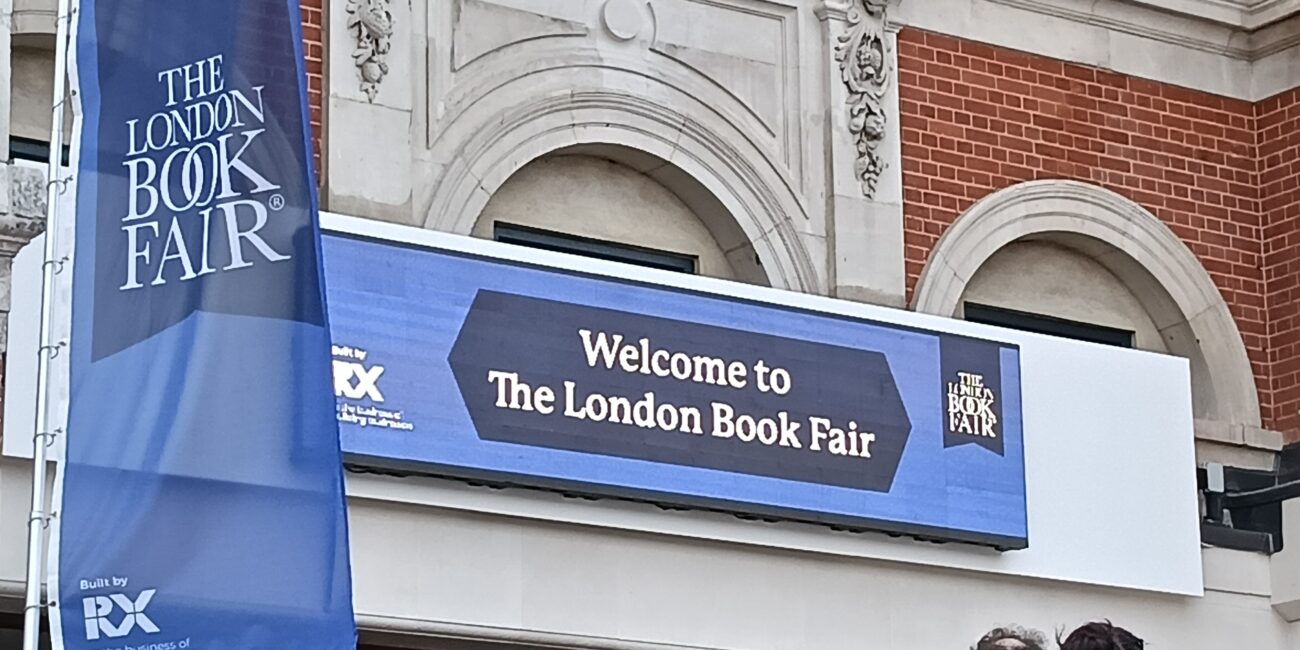
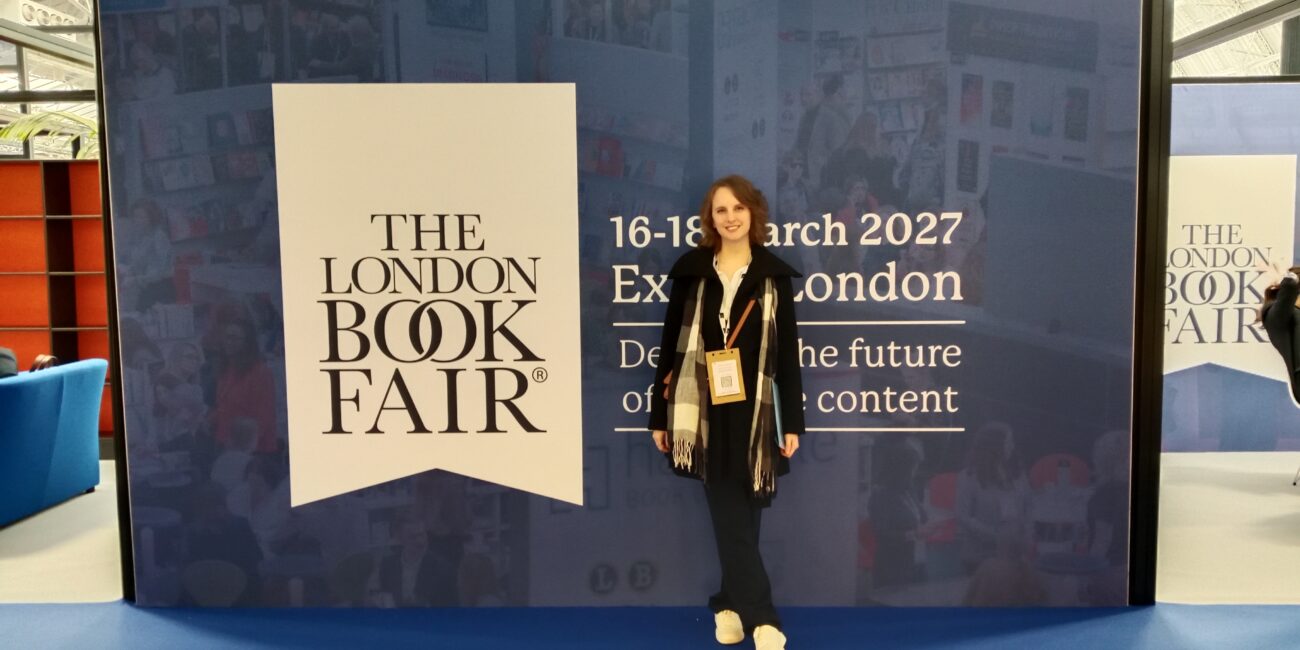
The London Book Fair (LBF) was originally on the cards for 2020…but you know what happened next. So when the opportunity came around again for 2026, there was never any question: we were going. All three days.
For those unfamiliar, the LBF is one of the most significant publishing events in the world, held (previously) at Olympia London (from next year it’s at Excel London). It’s where publishers, agents, authors, rights professionals, and industry insiders from everywhere come together to do deals, share ideas, and take the temperature of the industry. For a publishing-adjacent business like Blue Leaf Editing (we specialise in academic and non-fiction editing for publishers), it was exactly the kind of environment we needed to be in.
Table of Contents
First Impressions of the Fair
It’s overwhelming to walk into a fair of this scale, especially for the first time. The sheer volume of stands, people, languages, and conversations happening simultaneously is a lot to take in. But it’s organised chaos in the best possible way.
As day visitors across all three days, we had the opportunity to really immerse ourselves in the programme. We attended panels, chatted to some very nice publishers, and did tons of walking (comfortable shoes: non-negotiable). The LBF is a trade fair in name, but having experienced it now, we feel it’s more a live, breathing snapshot of where publishing is, where it’s going, and what it’s worrying about.
Next: what we learned from the various panels.
Day 1: The Keynote with Penguin UK’s CEO
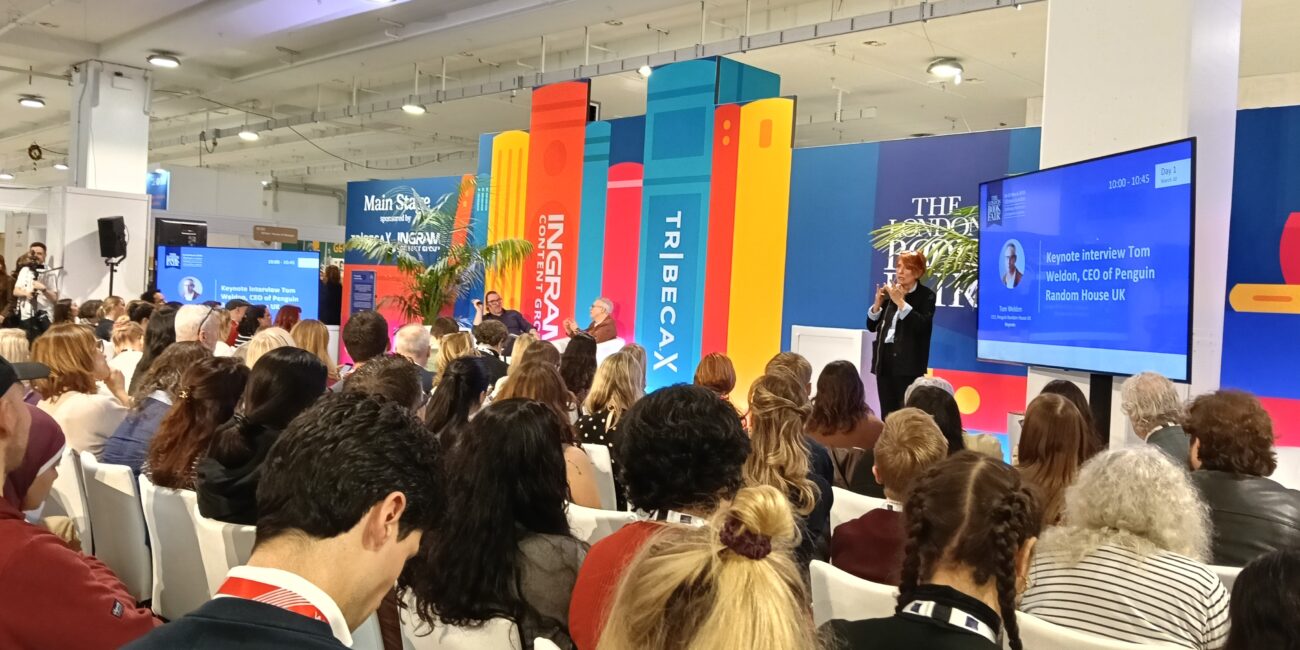
If you’re going to set the tone for a fair, a keynote from the CEO of one of the world’s most recognisable publishers is a solid way to do it. The session opened with an introduction from the LBF director and was conducted as an interview by the editor of The Bookseller.
Publishers as “Missionaries and Merchants”
The main takeaway was that publishers are merchants, and there’s no shame in saying so.
The CEO outlined three guiding principles for Penguin UK’s approach:
- Business and cultural hub: Publishing sits at the intersection of commerce and culture, and pretending otherwise doesn’t serve anyone.
- Distinct, autonomous publishing divisions: Rather than one homogenous machine, different imprints operate with independence.
- Editorially led: Creative decisions drive the business, not the other way around.
- Business and cultural hub: Publishing sits at the intersection of commerce and culture, and pretending otherwise doesn’t serve anyone.
One line that stuck: “Profit doesn’t define us, but it sustains us”. It’s a fair distinction, and one that framed much of the conversation around what publishers can (and can’t) do.
The reference to Allen Lane’s belief that publishers are “missionary and mercenary” captured the tension well. Publishing has always had to hold both identities at once: the idealistic impulse to bring important work into the world, and the practical reality that books need to sell to keep the lights on. It’s not a new tension, but it remains one of the industry’s most interesting ongoing negotiations.
The Author-Publisher Dynamic
Regarding authors, the message was clear: sales determine compensation. Basically, the more a book sells, the more an author gets out of it.
There was a notable focus on the value traditional publishers bring to authors, particularly in areas like marketing, sales, distribution, audio rights, and foreign rights. The implicit argument was that self-publishing, while a viable route, comes with a workload many authors underestimate.
The phrase “push vs pull publishing” came up, drawing a distinction between publishers who actively take books to audiences versus authors who have to build those audiences themselves.
AI in Publishing
The session also touched on AI and intellectual property (IP) – a topic that’s clearly not going away. Penguin UK’s position was firm: protect author IP, innovate responsibly, and champion human creativity. The campaign, Don’t Steal This Book, calls on the UK government to address copyright, compensation, and transparency in the context of AI training data.
National Year of Reading
Rounding out the Day One Keynote was a mention of the National Year of Reading, an initiative of the UK publishing industry to “go all in”. It’s the kind of thing that feels good to hear in a room full of book people.
Day 1: Trends in Academic Publishing 2026
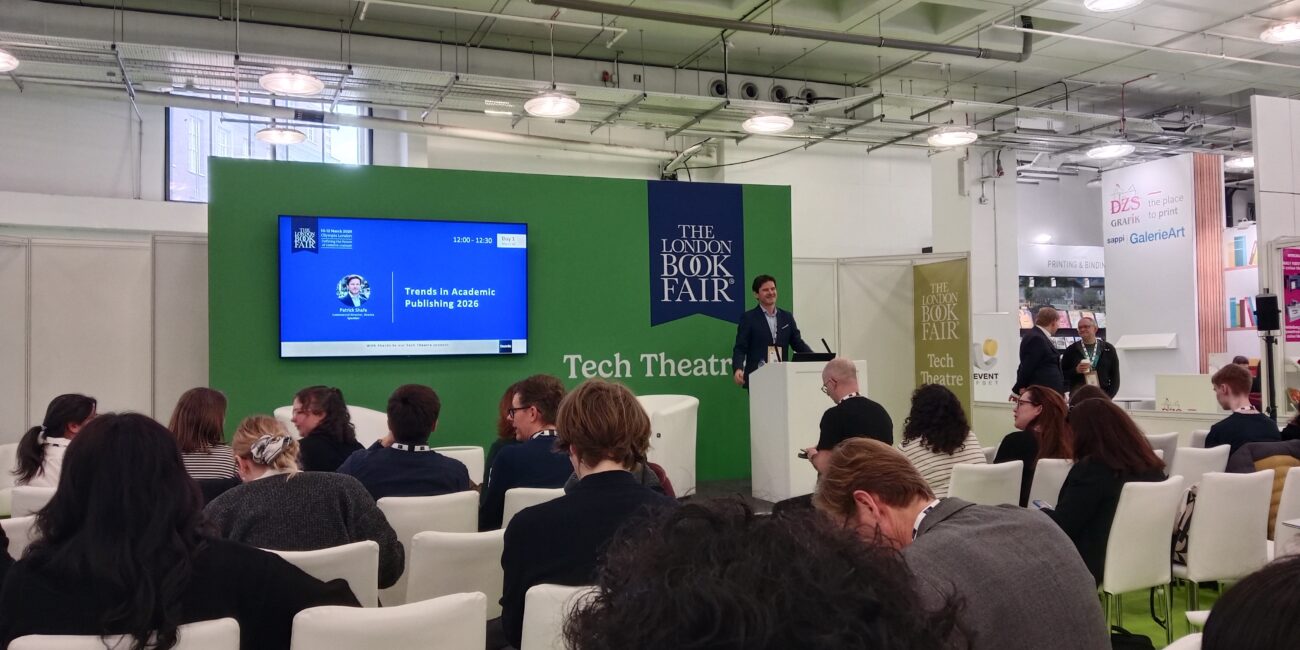
Given that academic editing is a significant part of what we do at BLE, we were particularly keen to attend this session. It did not disappoint and delivered a fair amount of food for thought.
Presenter Patrick Shafe (referencing trends in academic publishing reports) opened with a candid assessment: academic publishing is not ready for the pace of technological change. The sector has historically been slow to adapt, and that slowness creates risk. If revenue remains the only metric by which success is measured, the door stays open for other innovators to enter the market and reshape it without traditional publishers at the helm.
Points that stood out to us:
- Google Zero generated real discussion. The idea is that search engines are shifting from directing users to websites to simply answering queries via AI summaries. For academic publishers, whose visibility and discoverability often depend on search traffic, this isn’t a small shift and demands a rethink of how content is positioned and found.
- Cultural clashes within organisations were flagged as a contributing factor to the slow pace of change. So, it’s not a technology problem only. In addition, reducing cost is no longer a sufficient driver on its own. The industry needs to think about how to actively shape and invent its future, not just manage the present more efficiently.
- Google Zero generated real discussion. The idea is that search engines are shifting from directing users to websites to simply answering queries via AI summaries. For academic publishers, whose visibility and discoverability often depend on search traffic, this isn’t a small shift and demands a rethink of how content is positioned and found.
AI as Peer Reviewer?
The suggestion to reframe peer review as augmentation created some murmurs in the audience. Should publishers incorporate AI as a “fourth peer reviewer” alongside human reviewers? Not to reduce the process’s rigour, but actually enhance it by counteracting human error and bias. For those of us who work closely with the mechanics of academic publishing (reference checking, consistency, accuracy), this kind of thinking is worth watching closely.
The session also emphasised the need for publishers to become integrated rather than siloed. By breaking down internal barriers between editorial, technology, marketing, and rights, the whole organisation can respond to change more fluidly.
Day 2: Jo Nesbø
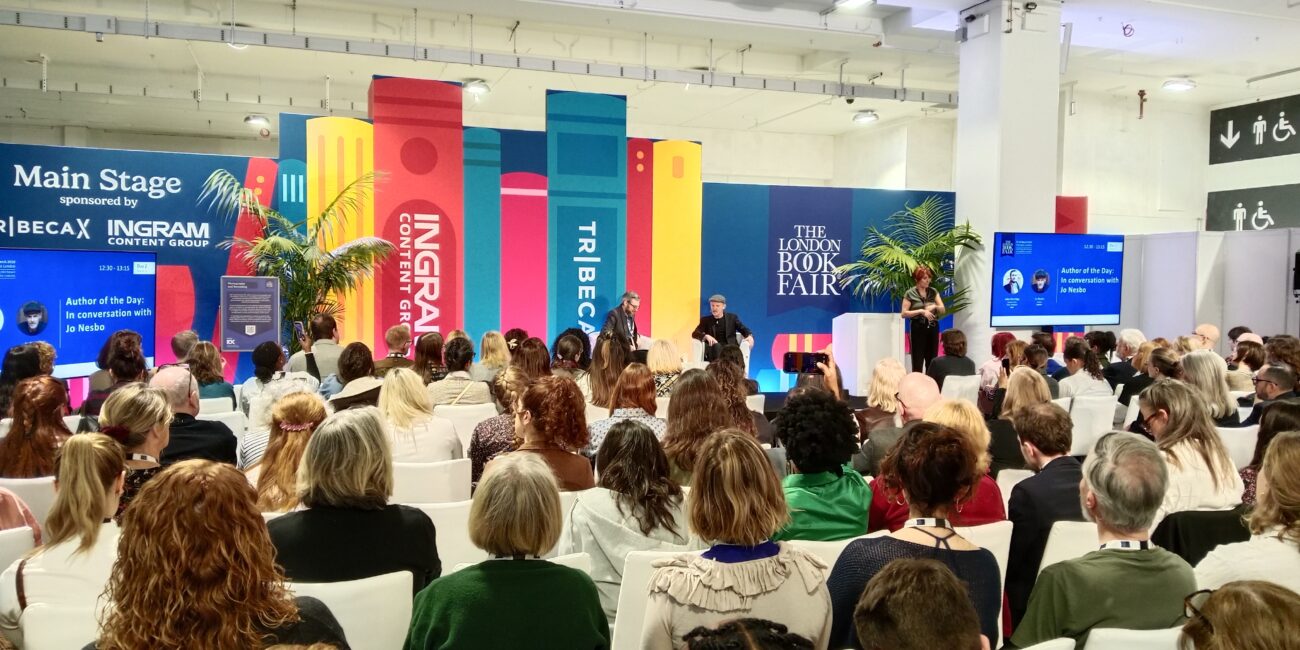
Not every session at LBF has to nitpick industry strategy. Sometimes you just want to sit in a room and listen to a bestselling crime novelist talk about his craft.
Jo Nesbø was Author of the Day on 11 March. He spoke about his involvement in the new Netflix series based on his work, which naturally opened the door to discussing the differences between writing novels and writing for the screen.
Novel writing offers a level of interiority and control that screenwriting simply doesn’t. Learning to produce for the screen meant learning to let go of some of that control, a shift Nesbø spoke about with a refreshing lack of ego.
There was a teaser for a new Harry Hole novel expected later this year, which generated the kind of quiet excitement only book people in a room together can produce.
Nesbø’s Approach to Writing and “Versions” of Harry Hole
Nesbø noted that writing isn’t the priority in a day. Surprising, right, since many writers talk about how they never have enough time to write? But the genius in this strategy means that when he does get to it, there’s real enthusiasm. Writing is something to look forward to, rather than a grind. His approach is instinctive and natural, and he was candid that there is no single, definitive version of Harry Hole. The character has evolved, as all long-running fictional characters do, and that’s something Nesbø seems genuinely comfortable with.
It was a lighter session, but not a shallow one. A good reminder that at the heart of all the industry conversations, there are writers just trying to tell good stories.
Day 3: A Look into Non-Fiction
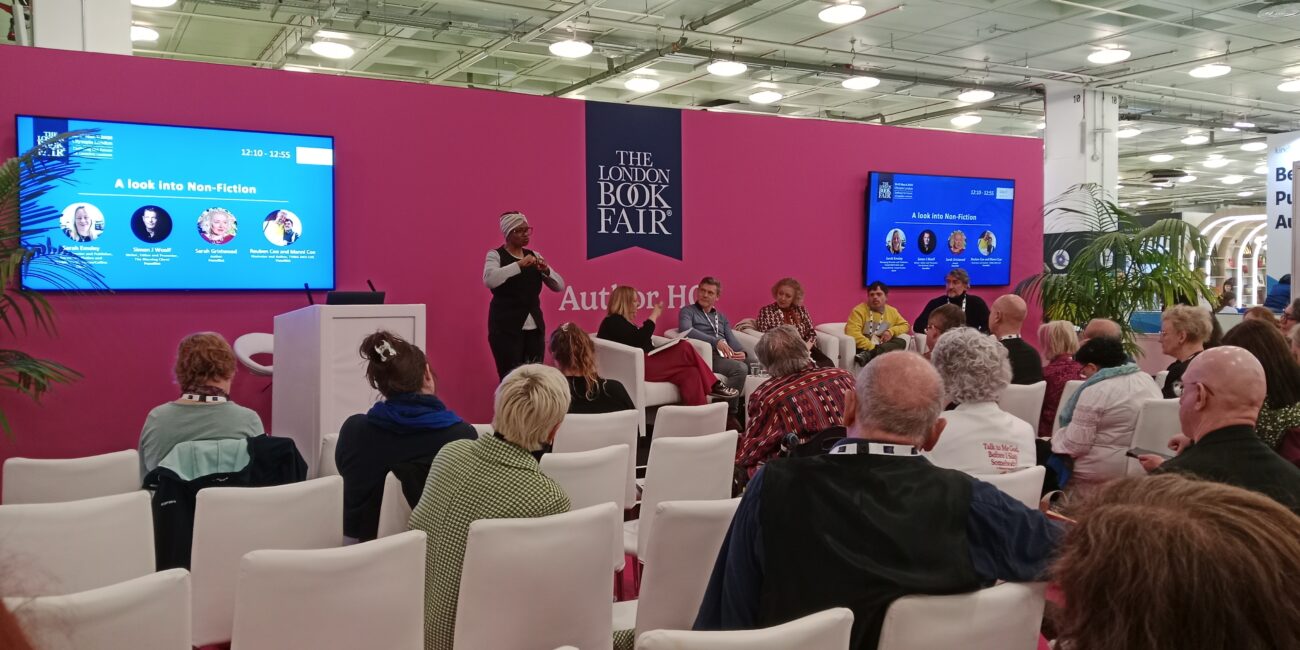
The final day brought us to a session on non-fiction publishing, featuring a self-published author, three traditionally published authors, and the MD of HarperNonFiction. Arguably, this was the most practical session of the three days as it focused on how these non-fiction authors navigated the publishing industry (and still do).
The central message was familiar: when it comes to getting a manuscript published, knock on different doors, because you don’t know which one will open.
The panel walked through the main routes available to non-fiction authors:
- Agents: Still a primary gateway to traditional publishing for many.
- Traditional publishing: The publisher takes on responsibility for distribution, publicity, marketing, and foreign rights. The value proposition is bringing an author to an audience that didn’t previously know they existed.
- Self-publishing and crowdfunding: Better profit margins, more creative control, and the ability to maintain production quality standards that a traditional publisher might compromise for cost reasons. However, the trade-off is that distribution is genuinely hard, and Amazon is not a one-stop solution.
- Agents: Still a primary gateway to traditional publishing for many.
That last point deserves emphasis. Underestimating distribution is one of the most common and costly mistakes a self-published author can make. The panel was direct about it.
Book Proposals
A book proposal needs to do two things well: show that there’s a story worth telling, and show that you’re the right person to tell it. Simple in theory. Considerably harder in practice.
For those seeking an agent: find one who genuinely gets the genre or subject matter. Agents need enthusiasm for the work because their job is to sell it to publishers, and enthusiasm is difficult to fake convincingly in a pitch meeting.
Social Media
Social media was a double-edged topic. Publishers like authors who have a platform, because it supports awareness and sales. But for many writers (particularly those who are more comfortable in the quiet of a manuscript than in the noise of an Instagram feed), this can be a real challenge. There was no easy answer offered, just an honest acknowledgement that it’s part of the current landscape.
There was one moment that landed with particular warmth. A panellist spoke about receiving a letter about a book they had written 25 years ago. It was a reminder of something publishing professionals sometimes forget – books have longevity. The work you do today can still find readers decades from now. That’s quite inspiring.
Networking with Other Editors
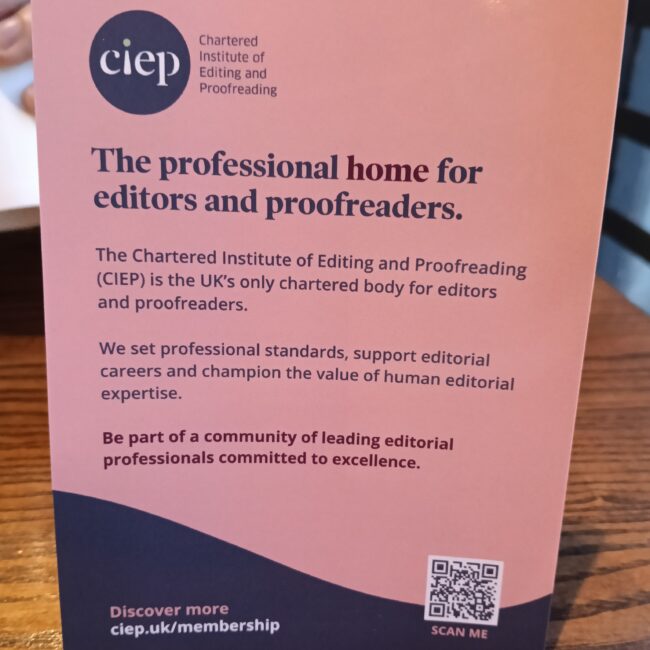
We can’t attend an event like this and not sniff out other editors. That’s how we found ourselves at the stall of the Chartered Institute of Editing and Proofreading (CIEP). Based in the UK, this non-profit body offers webinars, mentorship, resources, training courses, and tons of other benefits to its members.
Speaking to editors from across the pond just showed how much we have in common, that the editing community is indeed international. For example, working in isolation. If you need someone’s input or want to bounce an idea around, who do you turn to? Especially, if it’s an editing problem, it makes sense to turn to another editor.
CIEP might have a new editor in their ranks soon.
Reflecting on Three Days at the LBF
Six years is a long time to wait for anything. And it’s worth asking, honestly: was it worth it?
Yes. Yes!
The LBF recalibrates your sense of where the industry is. Not through any single dramatic revelation, but through the accumulation of conversations, sessions, and observations that build up over three days. The picture that emerged was one of an industry in genuine flux – grappling with AI, rethinking distribution and discoverability, questioning old metrics, and trying to figure out how to hold on to what makes publishing meaningful while adapting to what makes it viable.
For BLE, the connections between what we heard and what we do were obvious. The emphasis on editorial quality (whether from traditional publishers defending the value of their process, or from debut authors being advised to spend money on a good editor before anything else) reinforced something we already know: editing isn’t a nice-to-have. It’s the thing that makes the difference.
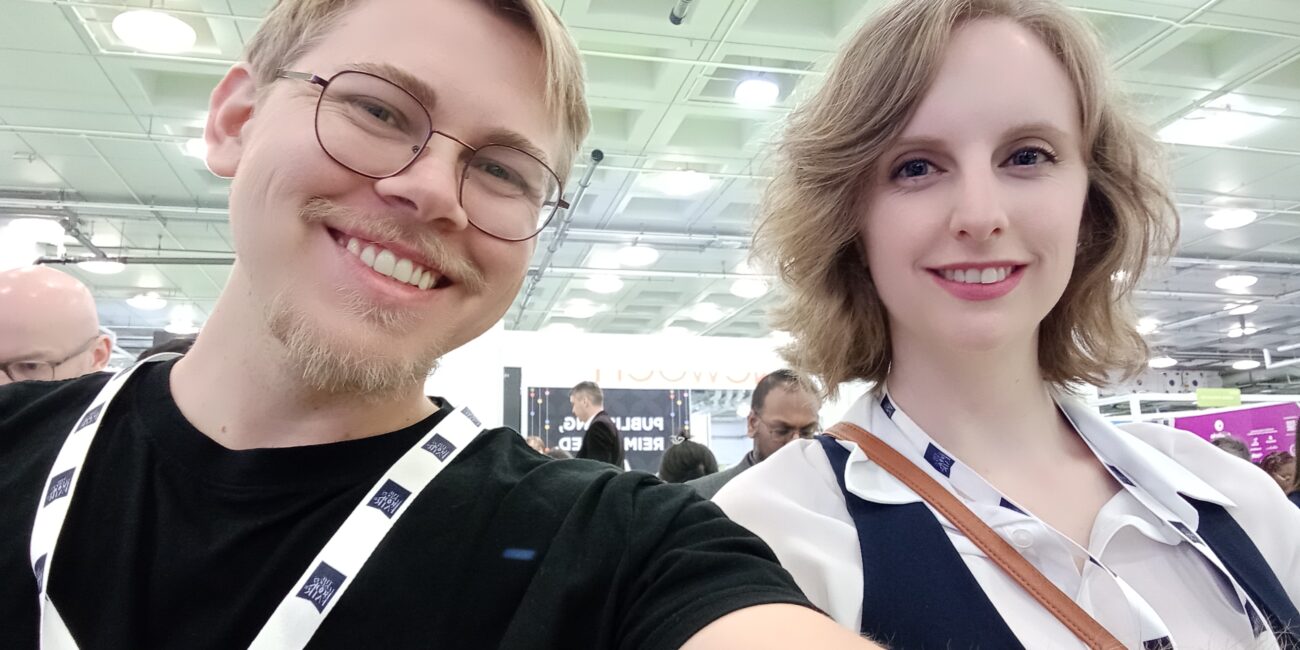
The academic publishing session in particular gave us sharper language for conversations we’re already having with clients. Understanding the pressures publishers face, like AI, shifting search behaviour, or internal structural challenges, makes us better collaborators.
And beyond the professional, the LBF promotes community. When laying our eyes on that hall for the first time, we thought very clearly, “These are our people”. Walking into a space full of people who take books seriously, who argue about them, sell them, write them, edit them, and care about what they mean, is energising. Especially after six years of waiting to be in that room.
We’ll be back. (You have our permission to read that in Schwarzenegger’s voice.)
Tips for First-Time LBF Attendees
Having now done it, this is what we’d like to pass on:
- Register early. Tickets and badge registration open well in advance. Don’t leave it to the last minute, especially if you’re travelling internationally. (You can get a visa letter to help with your application, if you need one.)
- Plan your sessions in advance, but stay flexible. The programme is extensive, and it’s easy to feel paralysed by choice. Pick your must-attends, but leave room to wander into something unexpected.
- Wear comfortable shoes. Olympia is large and you’ll walk more than you expect.
- Research panellists and speakers beforehand. You’ll get more out of the sessions and you’ll be better positioned to ask useful questions or introduce yourself meaningfully afterwards.
- Don’t skip the floor. The exhibitor stands are not just a backdrop. They’re where many of the most useful conversations happen. Publishers, technology companies, and rights professionals are there and often very willing to talk (though some are unfortunately by appointment only).
- Stay hydrated and build in breaks. Three full days of sessions and networking is a lot, even for the most extroverted among us. You can bring snacks in with you; otherwise, food stalls are placed strategically throughout the hall.
- Introduce yourself. The LBF isn’t a passive event. If you’re there to make connections, you have to be willing to start conversations. Most people are there for exactly the same reason.

Blue Leaf Team
The Blue Leaf Editing team has over 15 years of combined editing, publishing, and book industry experience. We’re passionate about content and storytelling, and sharing our knowledge with others.
info@blueleafediting.com